



Is AI Experiencing a Bubble?
Companies everywhere are rushing to roll out new AI tools, and the excitement has some people wondering if we’re heading toward an “AI bubble” that could pop at any moment. But is that really the case? In practice, many businesses are still experimenting—using AI to streamline back-office tasks, improve customer support, or test pilot projects—rather than reshaping entire markets overnight. What looks like hype may simply be the natural energy that comes with any breakthrough technology: a wave of trial, error, and exploration before the more practical, everyday uses settle in.
Why the Bubble Narrative Takes Hold
It’s not the first-time people have compared today’s rush into AI with past tech bubbles. Whenever a new breakthrough makes headlines, money tends to pour in—sometimes faster than the real business value can keep up. The rise of generative AI, especially tools like large language models, has sparked a wave of startups and corporate projects all chasing the next big win. Still, hype doesn’t always mean we’re in bubble territory. More often, it reflects industries racing up a steep learning curve, testing what works and what doesn’t. The real challenge is telling the difference between inflated expectations and genuine progress.
Market Correction and What It Means for Businesses
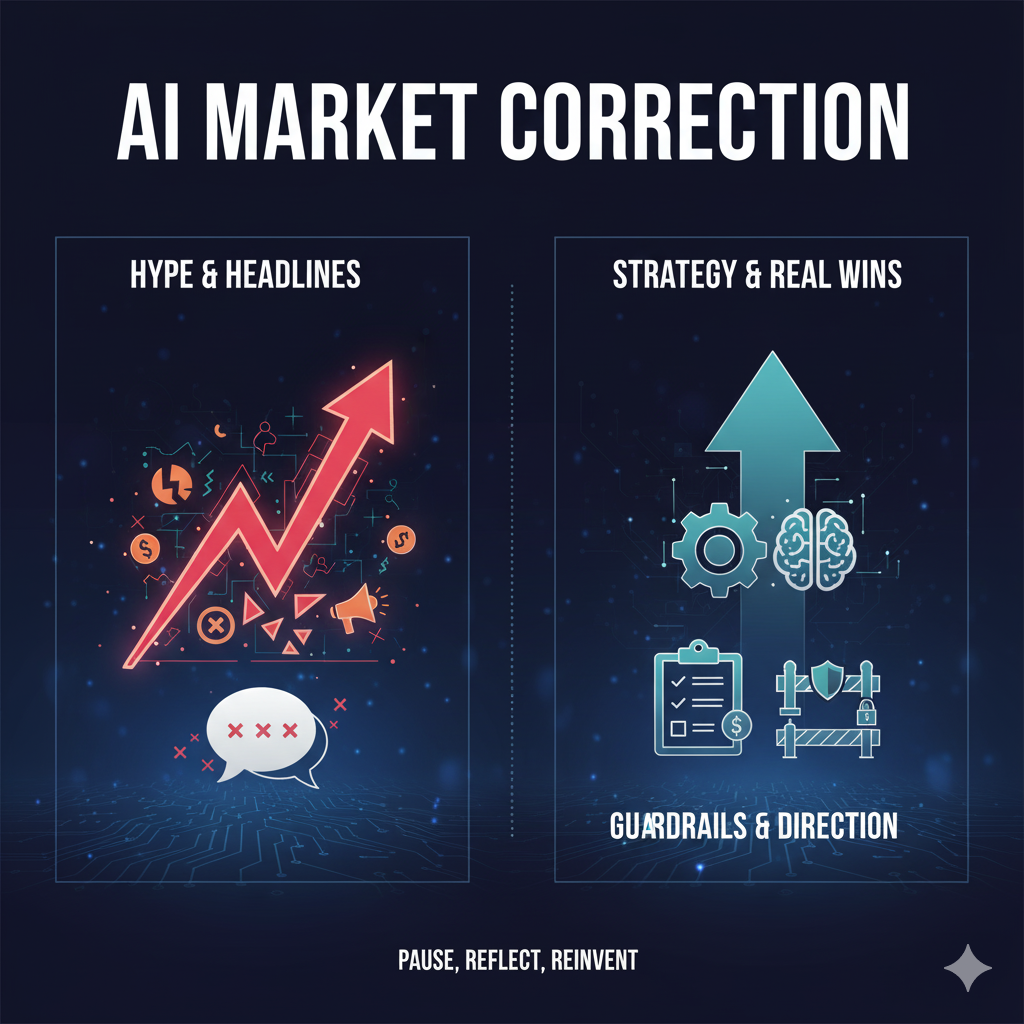
Every new wave of technology eventually cools down, and AI is going through that same cycle. What some call a “market correction” isn’t the end of the story—it’s more like a pause that helps separate the hype from the real wins. Sure, the companies that chased headlines without a clear plan might be feeling the squeeze right now. But the ones that treated AI as part of a bigger strategy see this moment differently: a chance to tighten their roadmap, put money into projects that actually deliver, and set up the guardrails that keep innovation moving in the right direction.
Focus on Internal Efficiency Before External Disruption
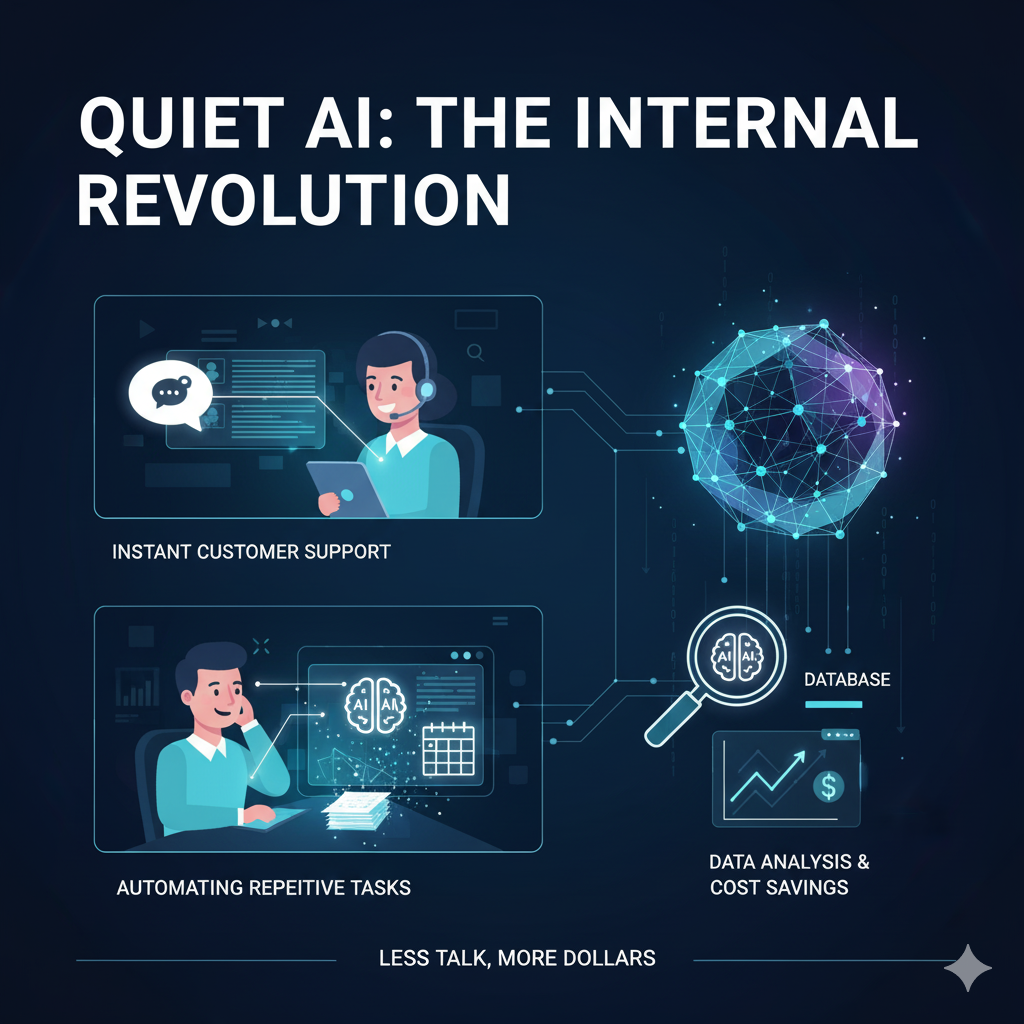
You’re seeing a lot of companies quietly using AI to make their own work easier, not for some big flashy announcement. Think of things like chatbots that give customers instant answers or software that handles the boring, repetitive parts of a job so people don’t have to. They’re also using it to dig through their data to find smarter ways to run the business, often saving a bit of money along the way.
This kind of stuff doesn’t make the front page, but it adds real, long-term value. It’s also getting these companies ready for bigger AI projects down the road, once the dust settles. The really smart move isn’t to build some flashy AI gadget just for show. It’s about thoughtfully weaving this technology into the work people are already doing every single day.
Navigating Governance, Regulation & Policy

As this AI technology gets more powerful, the “rules of the road” are becoming a really big deal. It’s not just talk; investors, partners, and even customers are starting to look much closer.
They want to know you’re handling things responsibly. Are you being ethical? Are you protecting people’s private data? Is your AI fair, or is it biased? Can you even explain how it works?
Figuring this stuff out and setting clear policies for your AI work isn’t just about staying out of trouble. It can actually make you stand out from the competition. It’s easy to get caught up in the short-term excitement and ignore the rules, but that just opens you up to huge risks later on.
Staying Ahead with an Adaptive AI Business Strategy
To succeed amid an evolving AI market and potential correction, businesses must hardwire adaptability into their AI strategy. This includes investing in scalable AI talent, fostering a culture of experimentation balanced by governance, and staying aligned with changing AI market trends and technologies. Fast-following once hype dissipates fosters resilience and accelerates value creation. AI is not just a trend but a foundational technology influencing the world of work, customer experience, and operational excellence.
Spotlight on AI and Us: Collaboration Is Crucial
Beyond tools and processes, successful AI adoption hinges on human collaboration. AI is amplifying, not replacing, human intelligence. Get employees involved early in AI integrations, emphasize continuous education, and gather feedback loops to enhance user adoption and tailor solutions from actual needs rather than theoretical ones. Enterprises invested in the human dimension emerge stronger when market hype fades.
Conclusion: Thrive Beyond the Market Noise
Instead of worrying about an AI bubble bursting, companies should take a step back and look at how solid their AI strategy really is. Market corrections can feel uncomfortable, but they’re a normal part of any fast-moving industry. They help filter out the short-term hype and push businesses toward more mature, practical use of technology. The organizations that will come out ahead are the ones using AI with intention—blending it with human expertise, being open about how it’s applied, and building trust through clear rules and accountability.
For ongoing updates on AI trends, smart governance, and practical ways to put AI to work, keep an eye on AI News — how AI and people are shaping today’s workplace.
